
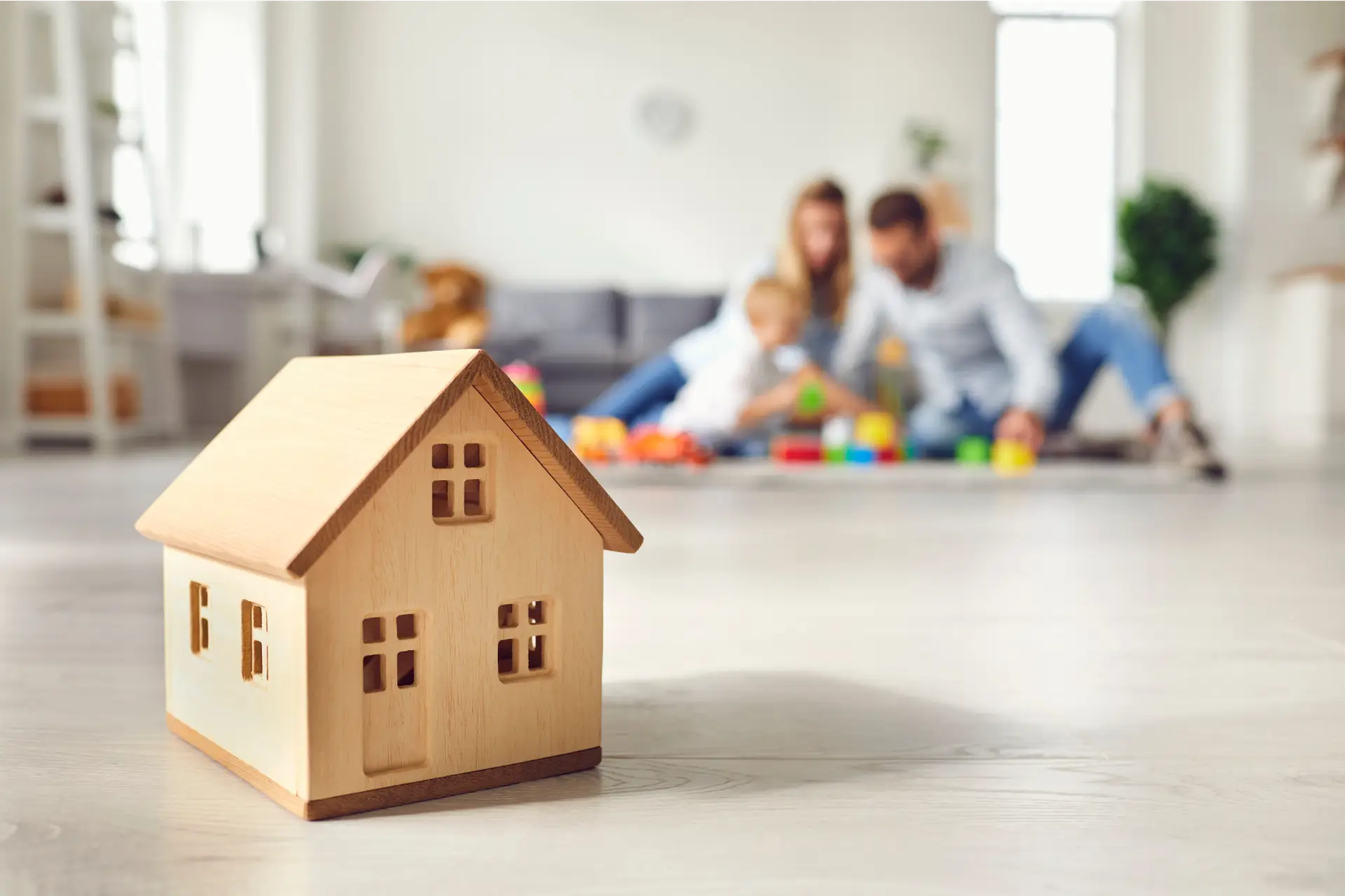
Design Today, Live Tomorrow: How to Build a Home That Grows With You
You’re building a home—and you’re focused on what you need today. But have you thought about what you’ll need five or ten years from now?
It’s one of the most common oversights we see:
A family designs a beautiful space for their current season of life… only to outgrow it, outlive it, or spend thousands later trying to “make it work.”
If you’ve ever thought, “We just need something that fits us right now,”—this is for you.
Because here’s the truth:
The smartest homes are designed not just for today, but for tomorrow.
Let’s explore how to plan for the future—so your home keeps working for you, no matter what life brings next.
A Real Story: One Room, Three Seasons of Life
When we met Greg and Vanessa, they were expecting their first child. They had their eyes on a two-bedroom plan that fit their budget and their lifestyle right now.
But as we walked through their future plans—more kids, working from home, and maybe even hosting aging parents—it became clear they needed a space that could flex.
So instead of cutting square footage to save costs, they invested in a third bedroom with a pocket door and simple storage. Today, it’s a nursery. In a few years? A playroom. Later on? A guest suite or home office.
They didn’t just build a house. They built flexibility.
What It Means to “Plan for the Future”
When we say “think long-term,” we don’t mean guess every possible outcome.
We mean designing smart. Making choices that hold up, adapt, and serve you well into the future.
Here’s how:
1. Choose a Flexible Floor Plan
Look for layouts with rooms that can change as your life does:
- A den that can become a nursery
- A bonus room that converts into a second living space
- A wide hallway that could accommodate aging-in-place updates
Pro tip: Avoid overly specific spaces unless they’re essential. A “wine-tasting room” sounds fun… until you need a quiet place to work.
2. Invest in Smart, Durable Features
The little things matter long-term. Consider:
- Low-maintenance materials like LVP flooring or quartz countertops
- Energy-efficient windows and insulation to reduce costs year after year
- Wider doorways and walk-in showers for aging-in-place functionality
These don’t just serve your current needs—they support your future comfort, safety, and savings.
3. Plan for Storage (More Than You Think You’ll Need)
Life brings stuff. More than you think.
Adding thoughtful storage today—extra closets, attic space, garage shelving—means less clutter and fewer renovations later.
A clutter-free home is a peaceful home. And peace of mind never goes out of style.
4. Think Resale—Even If It’s Your Forever Home
Even if you plan to stay for decades, life can shift.
Choosing timeless finishes, a functional layout, and energy-efficient systems doesn’t just serve you—it appeals to future buyers, too.
And if you do stay forever? You’ve built something that stands the test of time.
What You Can Do Today
Take five minutes and picture your life in 3, 5, and 10 years.
Ask yourself:
- What might change?
- What might grow?
- What do I want my home to do *then* that it might not need to do now?
Write down three features that could serve you long-term—even if they feel optional today.
Because your future deserves to be part of the blueprint.
Want a Smarter Way to Build?
This article is part of our free guide:
“The Homebuilding Blueprint What Every Future Homeowner Needs to Know”
Inside, you’ll learn:
- How to plan with the future in mind
- What features stand the test of time
- And how to design a home that adapts with you – not against you
Because great homes don’t just fit your life today.
They grow with you.
Summit Valor Homes — Your vision. Our mission.
RECENT POSTS
__